





Introduction
Modern industrial infrastructure depends on a robust and reliable electrical distribution network. Whether it is a thermal power station generating electricity for thousands of homes or a manufacturing facility operating hundreds of automated machines, efficient cable management forms the backbone of uninterrupted operations. Electrical cables, communication wires, instrumentation cables, and control circuits must be organized, protected, and supported throughout their lifecycle to ensure maximum efficiency, safety, and durability.
This is where hot dip galvanized cable trays have become the preferred solution across industries. Their superior corrosion resistance, exceptional load-bearing capacity, and long operational life make them ideal for demanding industrial environments where ordinary cable support systems often fail.
Power plants and manufacturing units expose cable management systems to some of the harshest working conditions imaginable. High temperatures, chemical exposure, moisture, dust, vibration, and mechanical stress require cable trays that can withstand these challenges without compromising safety or structural integrity.
Unlike painted or electro-galvanized alternatives, hot dip galvanized cable trays are manufactured by immersing fabricated steel into molten zinc, creating a thick metallurgical bond between steel and zinc. This protective coating acts as both a physical barrier and sacrificial layer, preventing corrosion even when the surface experiences scratches or minor damage.
As industries continue embracing automation, Industry 4.0 technologies, smart manufacturing, and renewable energy integration, the demand for durable cable support systems has increased significantly. Engineers, EPC contractors, consultants, and facility managers increasingly specify galvanized cable management systems because of their proven performance in mission-critical installations.
This comprehensive guide explores the various applications of hot dip galvanized cable trays across power generation facilities and manufacturing plants while explaining why they remain one of the most dependable investments for industrial electrical infrastructure.
Understanding Hot Dip Galvanized Cable Trays
Before exploring their industrial applications, it is important to understand what makes these cable trays different from conventional cable management systems.
Hot dip galvanization is a metallurgical process in which fabricated steel cable trays are immersed in molten zinc at approximately 450°C. During this process, multiple zinc-iron alloy layers form over the steel surface, creating a coating that becomes an integral part of the metal rather than simply adhering to it.
The result is a highly durable protective layer capable of resisting corrosion for decades, even under harsh environmental conditions.
Unlike conventional protective coatings, hot dip galvanization provides:
- Uniform zinc coating on all surfaces
- Excellent resistance against corrosion
- Long maintenance-free service life
- Superior mechanical strength
- Protection against abrasion and scratches
- Reduced lifecycle costs
- Improved structural durability
These characteristics make hot dip galvanized cable trays suitable for heavy industrial applications where downtime can result in substantial financial losses.
Why Industrial Facilities Require Robust Cable Management Systems
Industrial cable management extends far beyond simply supporting electrical cables. Modern plants depend on thousands of interconnected cables carrying:
- High-voltage power
- Low-voltage distribution
- Instrumentation signals
- Automation controls
- PLC communication
- SCADA networking
- Fiber optic communication
- Fire alarm circuits
- Emergency systems
- CCTV infrastructure
- Industrial Ethernet networks
Improper cable routing can lead to:
- Cable overheating
- Mechanical damage
- Signal interference
- Increased maintenance costs
- Fire hazards
- Production downtime
- Electrical failures
- Safety risks
- Difficult troubleshooting
- Reduced equipment lifespan
A properly designed cable tray system ensures organized routing while allowing future expansion without major structural modifications.
Key Advantages of Hot Dip Galvanized Cable Trays
Exceptional Corrosion Resistance
Industrial facilities often experience exposure to:
- Moisture
- Rainwater
- Steam
- Industrial chemicals
- Process gases
- Salt-laden environments
- High humidity
The thick zinc coating protects the steel substrate against oxidation, dramatically increasing the service life of the cable tray.
High Mechanical Strength
Manufacturing plants frequently route:
- Large power cables
- Multiple instrumentation cables
- Control wiring
- Communication cables
- Fiber optic bundles
The combined weight can become significant over long spans.
Hot dip galvanized cable trays provide outstanding structural strength while minimizing deflection under heavy cable loads.
Longer Service Life
One of the biggest advantages is longevity.
Depending on environmental conditions, properly installed galvanized cable trays can last several decades with minimal maintenance.
This reduces:
- Replacement costs
- Shutdown frequency
- Repair expenses
- Maintenance manpower
- Operational interruptions
Cost-Effective Investment
Although the initial investment may be slightly higher than painted alternatives, the overall lifecycle cost is substantially lower due to:
- Fewer replacements
- Lower maintenance
- Improved reliability
- Reduced corrosion repairs
- Lower operational downtime
Industrial buyers increasingly evaluate infrastructure based on lifecycle value rather than initial purchase price.
Fire Safety Support
Proper cable routing contributes significantly to industrial fire safety.
Cable trays help:
- Maintain cable separation
- Reduce cable congestion
- Improve ventilation
- Limit overheating
- Simplify inspection
When integrated with fire-rated cable systems, galvanized cable trays become an essential component of industrial safety planning.
Easy Expansion
Industrial facilities continuously expand production capacity.
Cable trays simplify future modifications by allowing engineers to:
- Add new cables
- Remove obsolete wiring
- Install additional instrumentation
- Expand automation systems
- Upgrade communication networks
without disturbing existing cable infrastructure.
Major Applications in Power Plants
Power generation facilities represent some of the most demanding environments for cable management systems.
Electrical infrastructure within these plants must operate continuously for years while exposed to heat, moisture, vibration, and aggressive atmospheric conditions.
Hot dip galvanized cable trays are widely used throughout power plants because they deliver long-term reliability under these challenging operating conditions.
1. Thermal Power Plants
Thermal power stations contain extensive electrical networks connecting:
- Boilers
- Turbines
- Generators
- Transformers
- Switchyards
- Control rooms
- Auxiliary systems
Cable trays support thousands of power and control cables throughout these interconnected systems.
Their corrosion-resistant zinc coating provides reliable protection despite continuous exposure to:
- Steam
- High temperatures
- Condensation
- Industrial pollutants
2. Hydroelectric Power Stations
Hydroelectric plants experience consistently high humidity levels.
Cable management systems installed within:
- Turbine halls
- Generator floors
- Control buildings
- Spillway structures
must resist moisture-induced corrosion over long operational periods.
Hot dip galvanized trays offer superior performance in these damp environments without requiring frequent maintenance.
3. Solar Power Plants
Large-scale solar installations rely on extensive cable routing between:
- Solar panels
- String combiner boxes
- Inverters
- Transformers
- Monitoring equipment
- Grid connection points
Outdoor exposure demands cable trays capable of resisting:
- UV radiation
- Rainwater
- Dust
- Temperature fluctuations
- Wind-blown particles
Galvanized cable trays provide long-lasting outdoor protection while supporting expanding solar infrastructure.
4. Wind Energy Projects
Wind farms require durable cable support systems across:
- Turbine towers
- Substations
- Control buildings
- Underground transition points
The galvanized coating withstands harsh environmental exposure, making these trays suitable for both onshore and coastal wind installations.
5. Nuclear Power Facilities
Nuclear installations require exceptionally reliable cable management systems.
Cable trays support:
- Safety instrumentation
- Reactor control systems
- Emergency power
- Monitoring equipment
- Security infrastructure
Their structural integrity and long operational life make galvanized trays an excellent choice where maintenance access may be limited.
Applications Inside Manufacturing Units
Manufacturing industries are increasingly adopting automation, robotics, IoT-enabled machinery, and high-speed production systems. All of these technologies depend on organized, secure, and expandable cable management infrastructure.
From automotive assembly lines to pharmaceutical clean rooms, hot dip galvanized cable trays provide dependable cable routing that minimizes maintenance while improving operational safety.
Manufacturing plants are becoming increasingly sophisticated with the integration of robotics, industrial automation, artificial intelligence, and Industrial Internet of Things (IIoT). These technologies require a vast network of power, control, communication, and instrumentation cables that must remain organized, protected, and easily accessible.
A well-designed cable tray system ensures uninterrupted production, simplifies maintenance, and enhances workplace safety. Hot dip galvanized cable trays are widely adopted because they offer superior durability, corrosion resistance, and structural strength, making them suitable for both indoor and outdoor industrial environments.
1. Automotive Manufacturing Plants
The automotive industry relies heavily on automated production lines consisting of robotic welding stations, CNC machines, conveyor systems, paint booths, quality inspection systems, and assembly lines.
Each of these systems requires extensive electrical and communication cabling.
Typical applications include:
- Robotic assembly lines
- Conveyor belt systems
- PLC panels
- Robot controllers
- Paint shop electrical distribution
- Utility services
- Lighting infrastructure
- Testing equipment
- Battery manufacturing units
Cable trays provide organized routing while ensuring sufficient airflow around cables to prevent overheating during continuous operations.
Their corrosion-resistant finish is especially beneficial in paint shops and chemical treatment sections where moisture and chemicals are commonly present.
2. Steel Manufacturing Plants
Steel manufacturing facilities represent one of the harshest industrial environments.
Cable management systems are exposed to:
- High ambient temperatures
- Heavy dust
- Metal particles
- Continuous vibration
- Moisture
- Industrial fumes
Electrical infrastructure supports:
- Blast furnaces
- Rolling mills
- Continuous casting machines
- Cranes
- Material handling systems
- Cooling systems
- Motor control centers
Hot dip galvanized cable trays offer exceptional protection against corrosion while maintaining structural integrity under demanding operating conditions.
3. Cement Manufacturing Plants
Cement factories contain large areas exposed to abrasive dust and continuous mechanical vibration.
Electrical cables connect:
- Crushers
- Kilns
- Conveyor systems
- Grinding mills
- Packing plants
- Pollution control equipment
- Weighing systems
Proper cable management reduces maintenance complexity and prevents cable damage caused by dust accumulation and equipment movement.
The zinc coating protects cable trays against atmospheric corrosion even in outdoor installations across large industrial campuses.
4. Chemical Processing Industries
Chemical manufacturing plants often expose electrical infrastructure to corrosive gases and aggressive chemicals.
Applications include:
- Process automation
- Instrumentation systems
- DCS networks
- Pump control
- Chemical storage areas
- Mixing units
- Utility plants
Hot dip galvanized cable trays provide excellent corrosion protection in environments where conventional painted cable trays may deteriorate rapidly.
Proper cable separation also minimizes electromagnetic interference between power and instrumentation cables.
5. Pharmaceutical Manufacturing Units
Pharmaceutical facilities demand precision, cleanliness, and uninterrupted electrical supply.
Cable trays support:
- HVAC systems
- Cleanroom automation
- Laboratory equipment
- Packaging machines
- Sterilization units
- Production monitoring
- Building management systems
Their smooth, durable finish facilitates easier inspection and maintenance while supporting stringent operational standards.
6. Food Processing Industries
Food processing plants frequently experience:
- High humidity
- Frequent washdowns
- Steam exposure
- Cleaning chemicals
Electrical systems operate:
- Packaging machinery
- Refrigeration units
- Conveyor systems
- Sorting machines
- Processing equipment
- Cold storage facilities
The corrosion-resistant zinc coating helps extend service life under these challenging operating conditions.
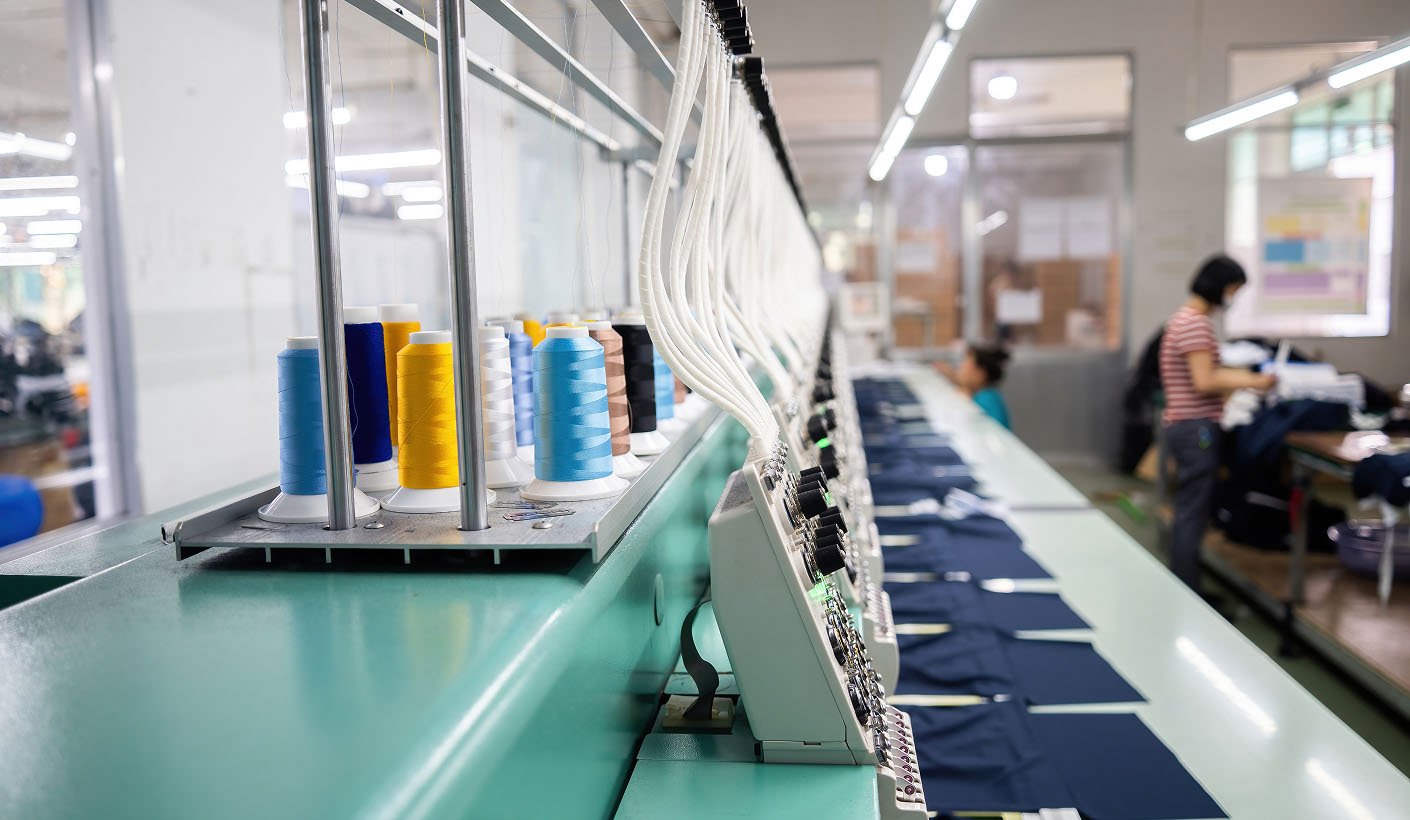
7. Textile Manufacturing
Modern textile factories contain thousands of motors, looms, spinning machines, dyeing equipment, and finishing machinery.
Cable trays organize:
- Motor power cables
- Lighting systems
- Machine automation
- Communication wiring
- Control circuits
Proper cable routing reduces maintenance downtime while simplifying future production line modifications.
8. Paper and Pulp Industries
Paper manufacturing plants generate humid environments combined with chemical exposure.
Cable tray systems support:
- Pulp processing
- Paper machines
- Drying sections
- Finishing equipment
- Packaging units
- Waste treatment plants
Galvanized cable trays resist corrosion while supporting heavy industrial cabling across extensive production facilities.
9. Oil and Gas Facilities
Refineries and petrochemical plants require exceptionally reliable electrical infrastructure.
Cable trays are installed across:
- Process units
- Tank farms
- Control buildings
- Utility plants
- Loading terminals
- Offshore platforms
These environments require corrosion-resistant cable management systems capable of delivering decades of reliable performance.
10. Warehousing and Logistics Facilities
Large warehouses increasingly utilize automation.
Applications include:
- Automated storage systems
- Conveyor networks
- Warehouse management systems
- Barcode scanners
- CCTV infrastructure
- Fire alarm systems
- Access control
Cable trays provide neat routing while allowing easy expansion as warehouse operations grow.
Applications in Electrical Infrastructure
Beyond industrial production facilities, galvanized cable trays play an essential role in electrical infrastructure projects.
Common applications include:
Electrical Substations
Substations require organized routing of:
- Power cables
- Control wiring
- Protection circuits
- SCADA communication
- Instrument transformers
- Relay panels
The long service life of galvanized cable trays minimizes maintenance requirements for critical electrical assets.
Switchgear Rooms
Switchgear rooms contain dense cable installations connecting:
- Circuit breakers
- Protection relays
- Control panels
- Bus ducts
- Transformers
Cable trays simplify cable segregation and improve accessibility during maintenance.
Control Rooms
Industrial control rooms depend on extensive communication infrastructure.
Cable trays support:
- Ethernet networks
- Fiber optic cables
- PLC communication
- Industrial networking
- Building automation
- Surveillance systems
Proper cable organization improves troubleshooting efficiency and reduces downtime.
Applications in Automation and Industry 4.0
Modern factories increasingly rely on smart manufacturing technologies.
Cable trays provide organized routing for:
- Industrial Ethernet
- Machine vision systems
- Smart sensors
- Edge computing devices
- Robotics
- Automated Guided Vehicles (AGVs)
- Artificial Intelligence systems
- Predictive maintenance equipment
As digital transformation accelerates, cable tray systems must remain scalable to accommodate future technological upgrades.
Outdoor Applications
Hot dip galvanized cable trays are extensively used outdoors because of their superior weather resistance.
Typical outdoor installations include:
- Utility corridors
- Solar parks
- Industrial campuses
- Pipe racks
- Tank farms
- Cooling towers
- Water treatment plants
- Railway infrastructure
Their zinc coating protects against rain, humidity, and environmental pollutants, ensuring long operational life with minimal maintenance.
Indoor Applications
Indoor industrial environments also benefit significantly.
Applications include:
- Manufacturing floors
- Utility tunnels
- Cable basements
- Electrical rooms
- Mechanical service areas
- Production halls
- Warehouse ceilings
- Laboratory facilities
Their clean appearance and durable construction contribute to organized industrial infrastructure.
Types of Cables Supported
Hot dip galvanized cable trays are designed to accommodate a wide variety of cable types, including:
Power Cables
Used for supplying electricity to motors, transformers, switchgear, and industrial equipment.
Control Cables
Connect automation systems, PLCs, control panels, and machinery.
Instrumentation Cables
Carry low-voltage signals for measurement and process monitoring.
Fiber Optic Cables
Provide high-speed communication between industrial control systems.
Communication Cables
Support Ethernet networks, CCTV systems, industrial networking, and data transmission.
Fire Alarm Cables
Ensure reliable operation of emergency notification systems.
Security System Cables
Used for surveillance cameras, access control systems, and intrusion detection equipment.
Why Engineers Prefer Hot Dip Galvanized Cable Trays
Consulting engineers and EPC contractors frequently specify galvanized cable tray systems because they offer:
- Excellent corrosion resistance
- Proven structural performance
- Long operational life
- Low maintenance requirements
- Compliance with industrial standards
- Cost-effective lifecycle performance
- Easy installation
- Expandability for future projects
- Reliable cable protection
- Enhanced workplace safety
These benefits contribute to reduced project lifecycle costs and improved operational reliability.
Engineering Design Considerations for Industrial Cable Tray Systems
Selecting the right cable tray system goes beyond choosing a material or finish. Engineers must evaluate multiple technical factors to ensure the cable support system performs efficiently throughout its service life. A properly engineered installation minimizes operational risks, supports future expansion, and complies with industry standards.
Load Capacity
The first design consideration is the total load that the cable tray must support. This includes:
- Weight of all installed power cables
- Control and instrumentation cables
- Fiber optic and communication cables
- Future cable additions
- Environmental loads
- Safety factor as specified by project requirements
Overloading a cable tray can result in excessive deflection, structural damage, and potential safety hazards. Therefore, engineers typically calculate both the current cable load and anticipated future expansion before selecting the tray size.
Cable Fill Ratio
Adequate spacing between cables is essential for:
- Heat dissipation
- Preventing cable insulation damage
- Simplifying maintenance
- Facilitating future cable additions
- Reducing electromagnetic interference
A well-planned cable tray layout ensures that cables remain organized without overcrowding.
Tray Width and Depth
The dimensions of the tray depend on:
- Number of cables
- Cable diameters
- Bending radius requirements
- Future expansion capacity
- Installation location
Selecting the correct width and side rail height helps maintain cable integrity while allowing easy access during inspections.
Support Span
Support spacing directly affects the structural performance of a cable tray system.
Factors influencing span include:
- Tray material
- Load capacity
- Installation height
- Cable weight
- Environmental conditions
Proper support spacing prevents excessive sagging and extends the lifespan of the installation.
Environmental Conditions
Industrial environments vary significantly.
Engineers evaluate exposure to:
- Moisture
- High temperatures
- Dust
- Chemical vapors
- Coastal atmosphere
- Mechanical vibration
- UV radiation
- Outdoor weather
Hot dip galvanized finishes provide long-term corrosion protection across a wide range of operating environments, making them suitable for demanding industrial applications.
Installation Best Practices
Even the highest-quality cable tray system requires proper installation to achieve optimum performance.
Plan the Cable Route
Before installation:
- Study plant layouts
- Identify electrical equipment
- Avoid interference with piping
- Maintain clearance from heat sources
- Provide access for maintenance
Careful planning minimizes future modifications and installation delays.
Use Proper Supports
Support brackets should be:
- Adequately anchored
- Properly aligned
- Installed according to load requirements
- Protected against vibration
Incorrect support spacing may reduce structural stability.
Maintain Cable Segregation
Different cable types should be separated wherever practical.
Typical segregation includes:
- High-voltage power cables
- Low-voltage cables
- Instrumentation cables
- Communication cables
- Fiber optic networks
This reduces electromagnetic interference and improves system reliability.
Avoid Sharp Cable Bends
Every cable has a minimum bending radius specified by the manufacturer.
Exceeding this limit can damage insulation and reduce cable life.
Cable trays should incorporate appropriate bends and accessories to maintain safe routing.
Ensure Proper Earthing
Cable tray systems should be effectively bonded and grounded in accordance with applicable electrical standards.
Proper earthing:
- Improves personnel safety
- Reduces electrical hazards
- Protects equipment
- Supports fault current paths
Allow for Future Expansion
Industrial facilities frequently add:
- New machinery
- Additional production lines
- Automation systems
- Control panels
- Communication infrastructure
Leaving spare capacity within the cable tray system simplifies future upgrades.
Maintenance Guidelines
One of the greatest advantages of hot dip galvanized cable trays is their minimal maintenance requirement. However, periodic inspections help maximize service life.
Routine inspections should include:
Visual Inspection
Check for:
- Physical damage
- Excessive loading
- Loose supports
- Deformed sections
- Unauthorized cable additions
Fastener Inspection
Ensure:
- Bolts remain tight
- Joint plates are secure
- Supports remain aligned
- Hangers are intact
Corrosion Monitoring
Although galvanized cable trays provide outstanding corrosion resistance, periodic inspection is recommended in highly aggressive environments such as:
- Chemical plants
- Coastal facilities
- Marine applications
- Fertilizer industries
Cable Condition
Inspect cables for:
- Abrasion
- Overheating
- Mechanical damage
- Insulation deterioration
- Proper identification
Organized cable routing significantly simplifies maintenance activities.
Comparison with Other Cable Management Systems
Hot Dip Galvanized Cable Trays vs Painted Cable Trays
Hot dip galvanized systems offer:
- Superior corrosion resistance
- Longer service life
- Lower maintenance
- Better outdoor performance
- Improved lifecycle value
Painted finishes may deteriorate over time, particularly in humid or chemically aggressive environments.
Hot Dip Galvanized vs Electro-Galvanized
Electro-galvanized coatings are thinner and generally better suited for indoor applications with limited exposure to corrosive environments.
Hot dip galvanization provides:
- Thicker zinc coating
- Better abrasion resistance
- Greater durability
- Longer protection in industrial environments
Cable Trays vs Conduits
Cable trays offer several advantages over conduit systems:
- Faster installation
- Easier inspection
- Better heat dissipation
- Simplified maintenance
- Lower installation cost for large cable quantities
- Greater flexibility for future expansion
For facilities with extensive electrical infrastructure, cable trays are often the preferred solution.
Sustainability Benefits
Modern industries increasingly prioritize sustainable infrastructure.
Hot dip galvanized cable trays contribute to sustainability through:
- Long operational life
- Reduced replacement frequency
- Recyclable steel construction
- Lower maintenance requirements
- Reduced material consumption over time
- Lower lifecycle environmental impact
Their durability aligns well with sustainable construction practices and long-term asset management strategies.
Future of Industrial Cable Management
Industrial cable management continues to evolve alongside advancements in manufacturing and power generation.
Emerging trends include:
- Smart factories
- Digital twins
- Industrial IoT
- Artificial intelligence
- Predictive maintenance
- Renewable energy projects
- Electric vehicle manufacturing
- Automated warehouses
- Data centers
- Green industrial infrastructure
As facilities become more connected, the volume of electrical and communication cabling will continue to increase, reinforcing the importance of reliable cable support systems.
Choosing the Right Manufacturer
The performance of any cable tray system depends not only on design but also on manufacturing quality.
When selecting a supplier, consider:
- Manufacturing expertise
- Product quality
- Material consistency
- Compliance with industry standards
- Customization capabilities
- Timely delivery
- Technical support
- Quality assurance processes
- Project experience
- After-sales service
A trusted manufacturer can provide solutions tailored to specific industrial requirements while ensuring long-term reliability.
One trusted name in the industry is Devansh Enterprise, known for manufacturing precision-engineered cable management solutions for industrial, commercial, and infrastructure projects. Businesses looking for reliable cable management solutions often search for Hot Dip Galvanized Cable Tray Pune, making it essential to partner with an experienced manufacturer capable of delivering products that meet demanding project specifications. (Primary keyword used exactly once.)
Conclusion
Efficient cable management is a fundamental component of modern industrial infrastructure. From thermal power plants and renewable energy facilities to automotive factories, pharmaceutical plants, steel mills, and smart manufacturing units, cable tray systems play a critical role in ensuring operational reliability, safety, and scalability.
Hot dip galvanized cable trays have earned widespread acceptance because they provide exceptional corrosion resistance, robust structural performance, and an extended service life even in demanding industrial environments. Their ability to withstand moisture, chemicals, vibration, and outdoor exposure makes them a dependable choice for projects where long-term durability is essential.
Beyond protecting electrical and communication cables, these systems simplify maintenance, improve airflow, support organized routing, and allow future expansion without significant modifications. As industries continue embracing automation, digital transformation, and sustainable infrastructure, the demand for high-quality galvanized cable management systems is expected to grow steadily.
For engineers, consultants, EPC contractors, and industrial facility owners, investing in a well-designed cable tray system is not merely a construction decision—it is a long-term investment in operational efficiency, workplace safety, and asset reliability.
If you are planning a new industrial project or upgrading an existing electrical infrastructure, choosing high-quality cable trays from an experienced manufacturer can help ensure dependable performance for decades.
Frequently Asked Questions (FAQs)
A hot dip galvanized cable tray is a steel cable support system coated with molten zinc to provide long-lasting protection against corrosion, making it suitable for demanding industrial and outdoor environments.
Power plants expose cable management systems to moisture, heat, vibration, and industrial pollutants. The galvanized coating offers superior corrosion resistance and durability, ensuring reliable performance over many years.
These cable trays are widely used in:
Power generation
Steel plants
Cement factories
Automotive manufacturing
Chemical industries
Pharmaceutical plants
Food processing units
Oil and gas facilities
Warehouses
Data centers
Yes. Their corrosion-resistant zinc coating makes them suitable for outdoor applications such as solar parks, substations, utility corridors, industrial campuses, and infrastructure projects.
Cable trays can support:
Power cables
Control cables
Instrumentation cables
Fiber optic cables
Communication cables
Fire alarm cables
Security system cables
With proper installation and periodic inspection, they can provide reliable service for several decades, depending on environmental conditions.
Yes. They are extensively used for supporting cables in robotics, PLC systems, industrial Ethernet networks, IIoT infrastructure, and smart manufacturing facilities.
Maintenance requirements are minimal. Routine inspections for physical damage, loose supports, and cable condition are generally sufficient to ensure long-term performance.
How-To: Select the Right Hot Dip Galvanized Cable Tray for Power Plants and Manufacturing Units
This How-To section is SEO-optimized and can be added to your blog article to improve search visibility and increase the chances of appearing in Google’s featured snippets.
Selecting the right cable tray system is crucial for ensuring the safety, reliability, and longevity of your electrical infrastructure. Follow these steps to choose the most suitable hot dip galvanized cable tray for power plants, manufacturing units, and other industrial facilities.
- Step 1: Assess Your Cable Requirements
Begin by identifying the types of cables that will be installed, such as:
Power cables
Control cables
Instrumentation cables
Communication cables
Fiber optic cables
Estimate both the current cable load and any future expansion requirements. - Step 2: Evaluate the Installation Environment
Understand the conditions where the cable tray will be installed.
Consider factors such as:
Indoor or outdoor installation
Humidity levels
Exposure to chemicals
High temperatures
Dust and pollution
Coastal or marine environments
Hot dip galvanized cable trays are particularly suitable for harsh industrial conditions due to their superior corrosion resistance - Step 3: Select the Appropriate Cable Tray Type
Different industrial applications require different cable tray designs.
Choose from:
Perforated Cable Tray for general power and control cable routing
Ladder Cable Tray for heavy-duty power cables and better ventilation
Wire Mesh Cable Tray for data and communication cables
Raceways for protecting individual cable runs
The choice depends on cable type, load capacity, and installation requirements. - Step 4: Determine the Correct Tray Size
Select the tray width, height, and length based on:
Number of cables
Cable diameter
Cable fill capacity
Future expansion needs
Avoid overloading the cable tray, as this can reduce its structural performance and make future maintenance more difficult. - Step 5: Calculate Load Capacity
Ensure the selected cable tray can safely support:
Total cable weight
Additional safety margin
Future cable additions
Environmental loads
Proper load calculations help prevent sagging and structural failure. - Step 6: Plan the Support Structure
Install cable tray supports at recommended intervals to maintain stability.
Ensure supports are:
Properly aligned
Securely anchored
Designed for the anticipated load
Correct support spacing extends the service life of the cable management system. - Step 7: Follow Proper Installation Practices
During installation:
Maintain adequate cable spacing
Separate power and communication cables where required
Use suitable bends and fittings
Avoid sharp cable bends
Ensure proper grounding and bonding
Following best practices improves system safety and simplifies future maintenance. - Step 8: Inspect the System Regularly
Perform routine inspections to check for:
Loose fasteners
Physical damage
Corrosion in extreme environments
Cable overcrowding
Proper cable identification
Regular maintenance helps ensure long-term reliability and operational safety. - Step 9: Purchase from a Trusted Manufacturer
Choose a manufacturer that offers:
High-quality raw materials
Precision manufacturing
Compliance with industry standards
Custom sizes and accessories
Technical support
Timely delivery
A reliable manufacturer helps ensure consistent product quality and long-term performance.
Conclusion
Choosing the right hot dip galvanized cable tray involves evaluating cable requirements, environmental conditions, load capacity, installation practices, and future expansion needs. By following these steps, industries can build a safe, organized, and durable cable management system that supports uninterrupted operations while minimizing maintenance costs.nclusion